san francisco, Ca
Designer of everydayproducts
MBA student at UC Berkeley Haas - Class of 2028



01 - Featured work
Industrial design
Objects that solve something.
02 - Personal practice
See all artwork
Art & illustration
Industrial design
Everyday objects that make life a little easier
artwork
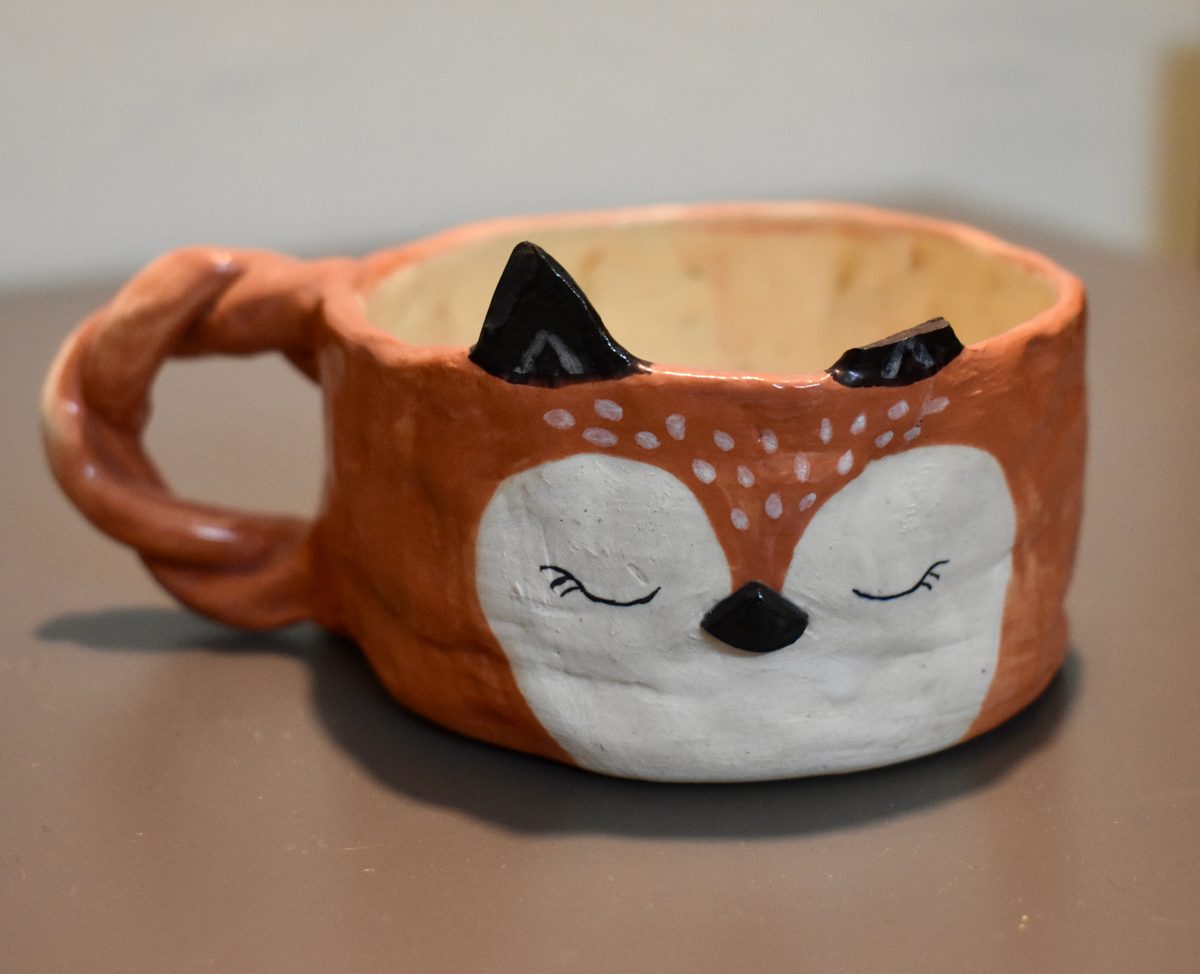
Exploring different forms one at a time:
Graphite, pencil sketch, ink, watercolor, acrylic, pixels and clay
03 - New chapter
Digital products
A tool to check if the new trendy skincare you saw on social media will actually work for you
Project 01
Work in progress
Fine Print*
Check if your product will work before you buy it
01 - BACKSTORY
A new country, a blank shelf
I moved countries for my MBA. That meant finding my creams, my shampoos and the rest of my shelf all over again.
Today, a lot of people choose what to buy from what influencers say on TikTok and Instagram. A great video is not proof that a product will work on someone’s skin.
02 - PROBLEM AND USER
A feed is not a skin test
Claims are loud. Evidence is hard to find. Ingredient lists are long and hard to read. And what works for one person can break out another.
Fine Print* is for people who read or watch product reviews to figure out what to buy.
They want an answer, not a study. So the app leads with one clear score and keeps the detail one tap away.
“How can I know if it will work for me?”
03 - THE IDEA
Snap it, score it, learn from it
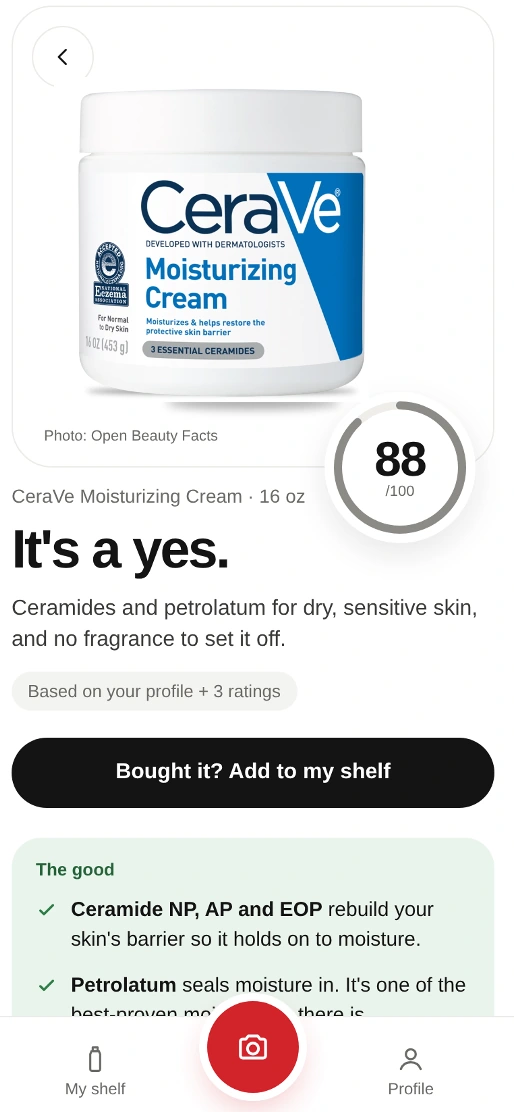
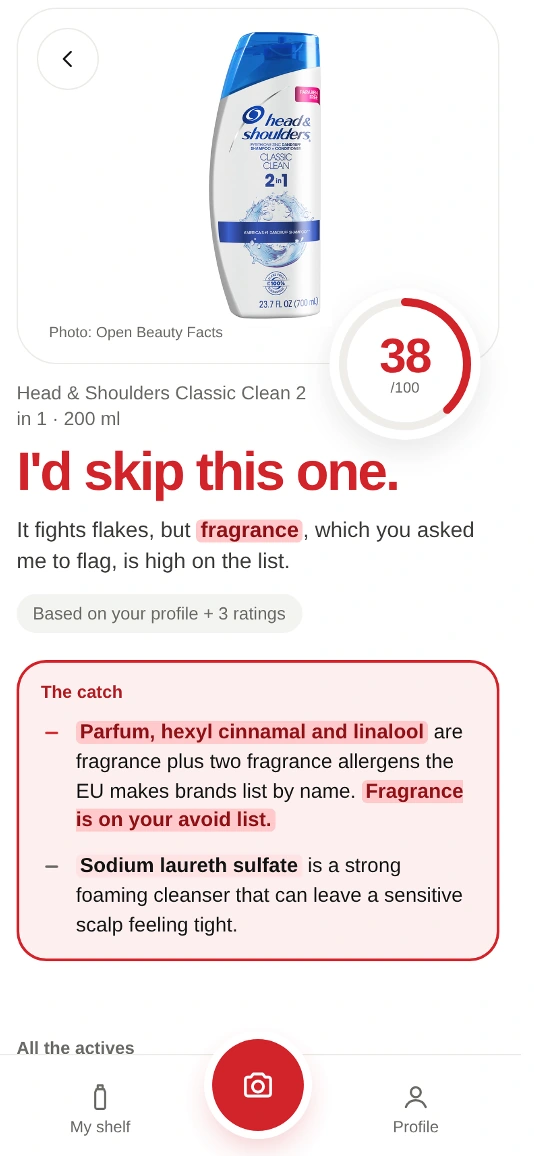
Fine Print* reads a product, checks its ingredients against the shopper’s own skin and history, and says plainly whether it is a yes or a skip.
The score belongs to one product at a time. There is no score for a whole shelf.
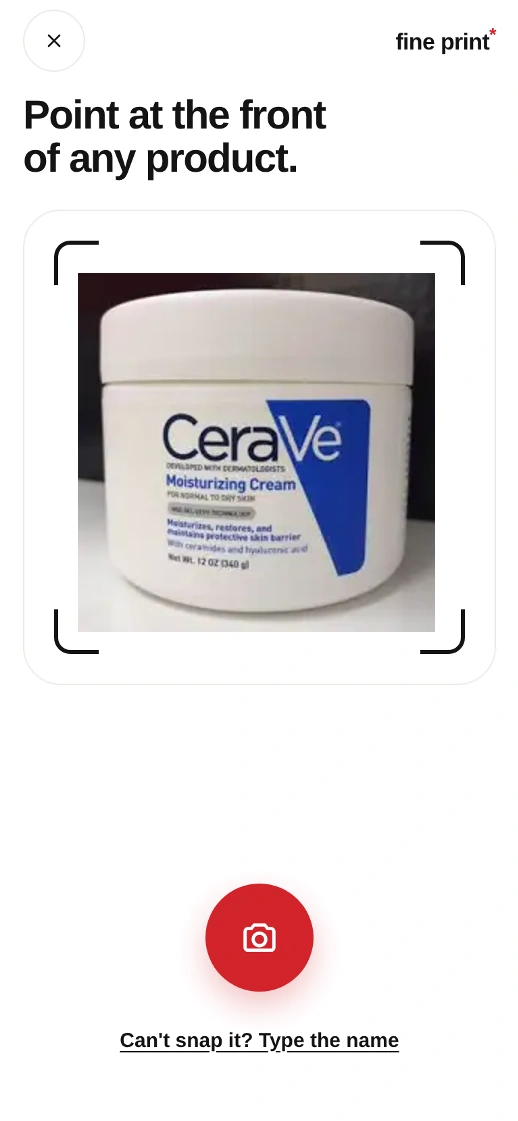 01SnapPoint the camera at the front of a product in the store. The app finds it.
- 02ReadIt reads the ingredient list and checks every line against the shopper’s own profile.
- 03ScoreOne number out of 100, a plain yes or skip, and the good and the watch-outs in short words.
- 04RateA few weeks later, say how it went. Everything with the same ingredients gets rescored.
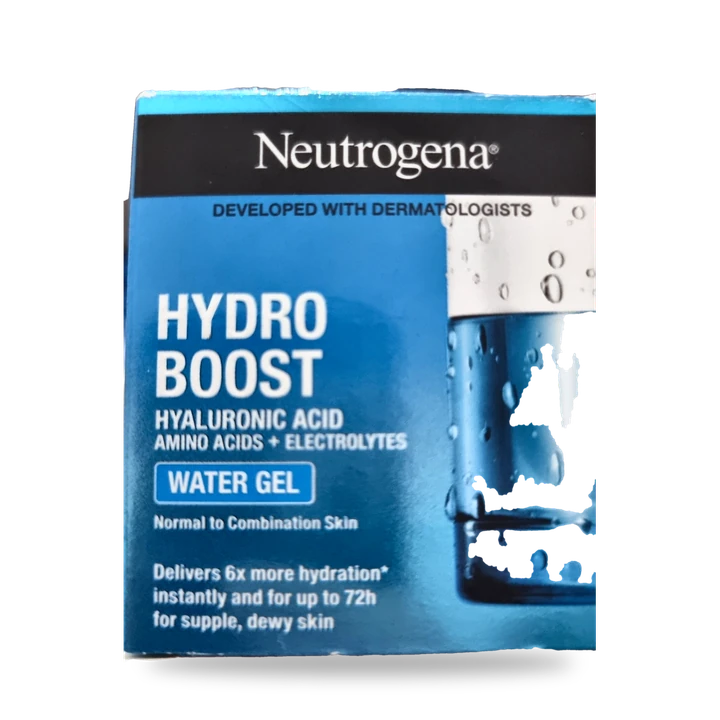
04 - WHAT IT CHECKS
Ingredients, evidence and the brand’s own claims
Behind the score, the app pulls the full ingredient list and looks for clinical evidence on the ingredients that matter to the shopper’s concerns and allergies.
It also looks for public tests behind the claims on the box, and flags ingredients that are banned in other countries.
Engineer, Designer
& Builder
Now an MBA student at UC Berkeley Haas
I'm Swati. I love uncovering why people do what they do, and turning those insights into better, more human products.
I’ve worked across manufacturing, consumer research, and product development and taken ideas from user interviews to launch.
Now at Berkeley Haas, I’m exploring the intersection of technology and design to build products people love and can’t imagine living without.
I’ve worked across manufacturing, consumer research, and product development and taken ideas from user interviews to launch.
Now at Berkeley Haas, I’m exploring the intersection of technology and design to build products people love and can’t imagine living without.

My journey so far




-
2018 - 2022 IIT Madras Bachelor of Technology

Electrical Engineering -
2022 - 2024 P&G Pampers Line Leader - Product Supply
-
2024 - 2026 P&G Whisper Scientist | R&D

-
2026 - 2028 Berkeley Haas MBA
Industrial design
Project 01
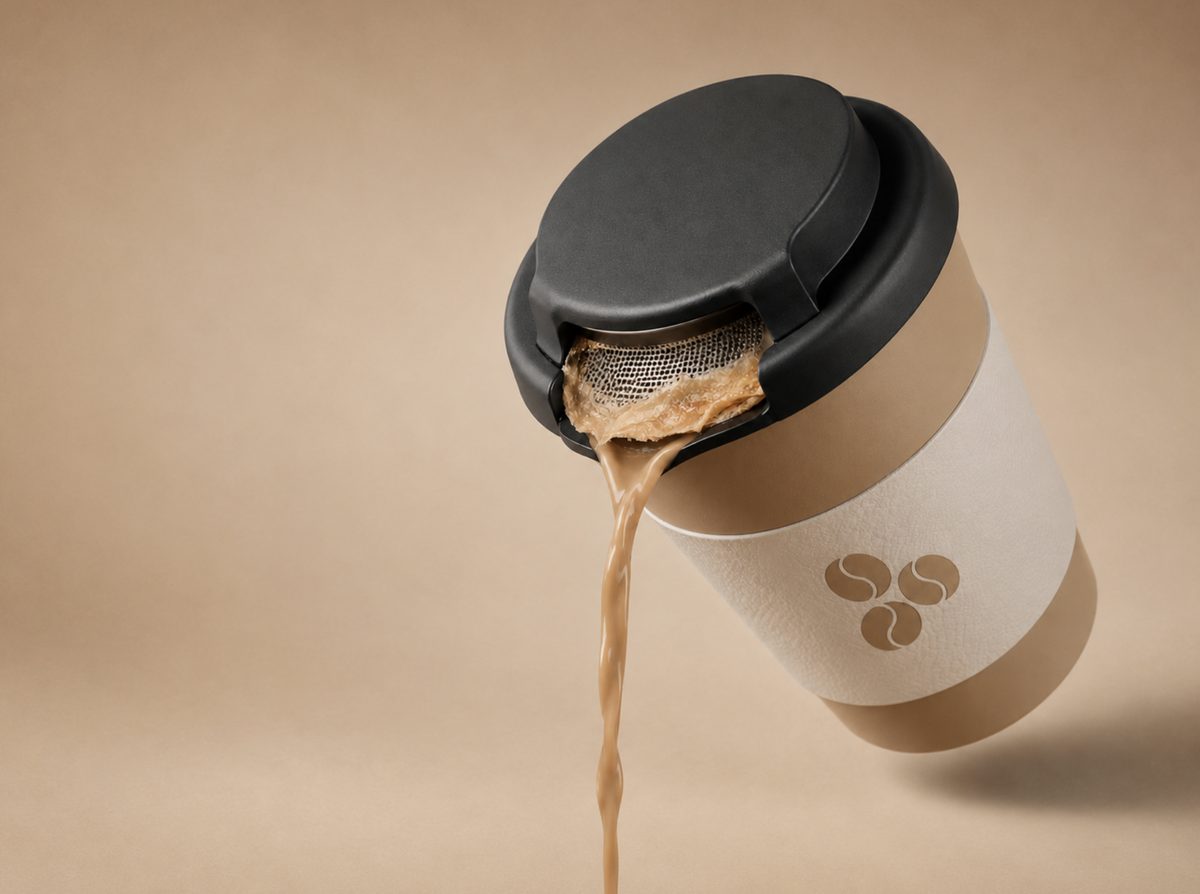
Un-Cream
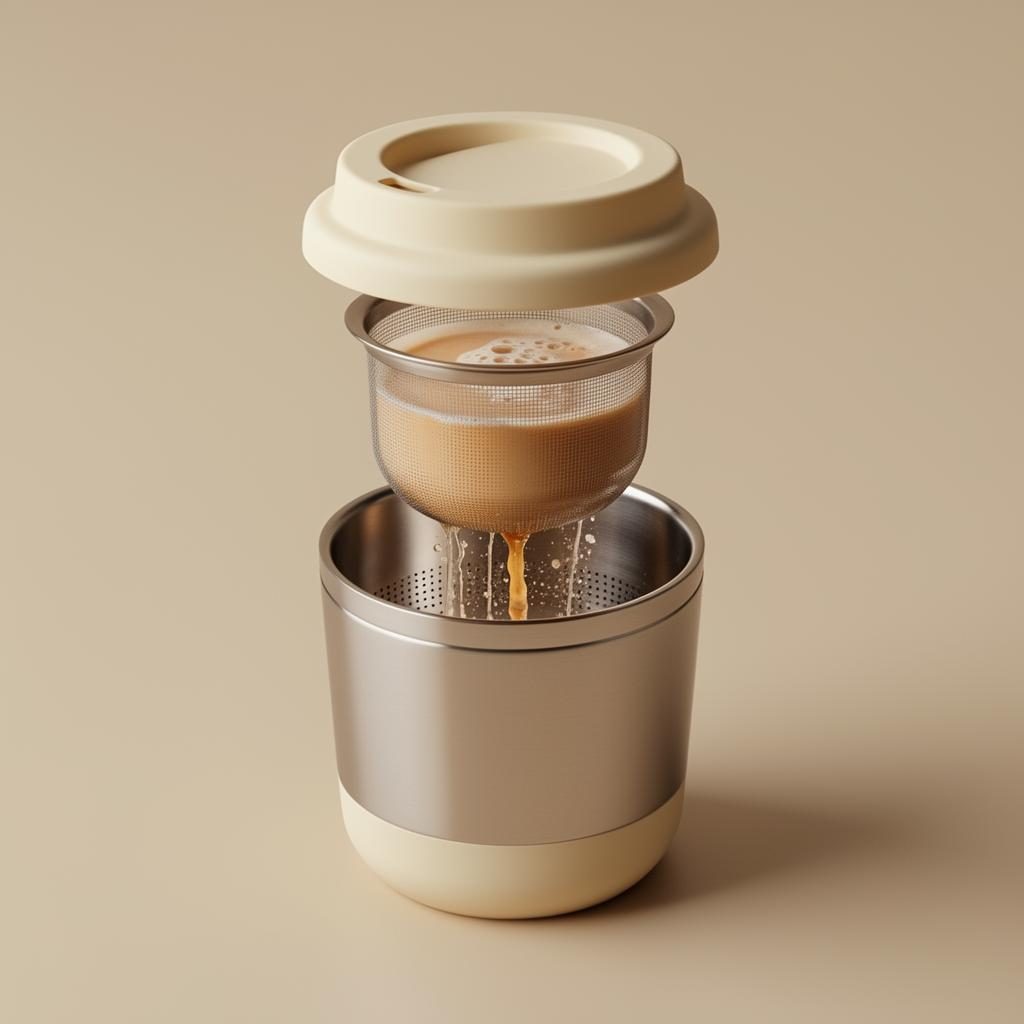
A coffee cup that skims the milk skin.
Built for the Indian household where un-homogenized milk forms a film of milk-skin (malai or chaali).
DisciplineProduct - Form
ToolsFusion 360 - Sketching - CAD
01 - BACKSTORY
Milk that grows a skin
India is the world’s largest producer of milk, and most of it does not reach homes homogenized and pasteurized.
Milk is boiled in an open pot every morning.
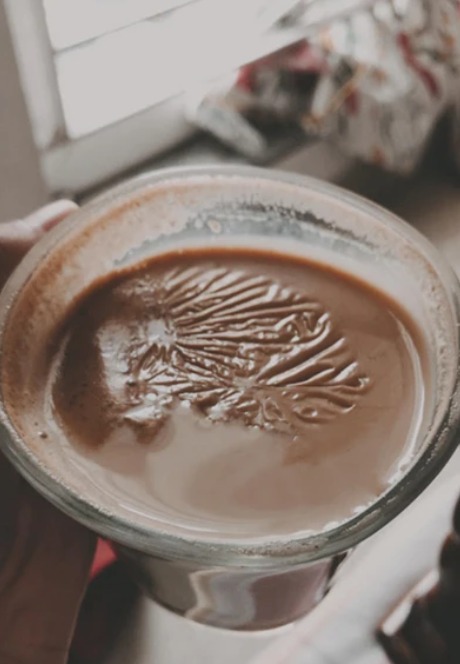
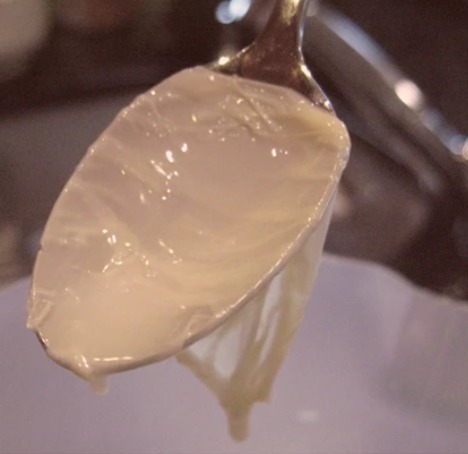
What cools on top is a wrinkled, off-putting film of fat and protein called “malai”. And kids absolutely hate it.
02 - BRIEF
Enjoy the drink, skip the malai
How do we let people enjoy boiled coffee, chai, or hot chocolate, without ever meeting the malai?
The answer had to slip into existing morning rituals, not replace them. Take-away friendly. Dishwasher-safe. Cheap enough to be unremarkable.
“The dreaded malai, and the calcium deficiency it quietly creates.”
03 - IDEATION
Scrape, hinge, sieve
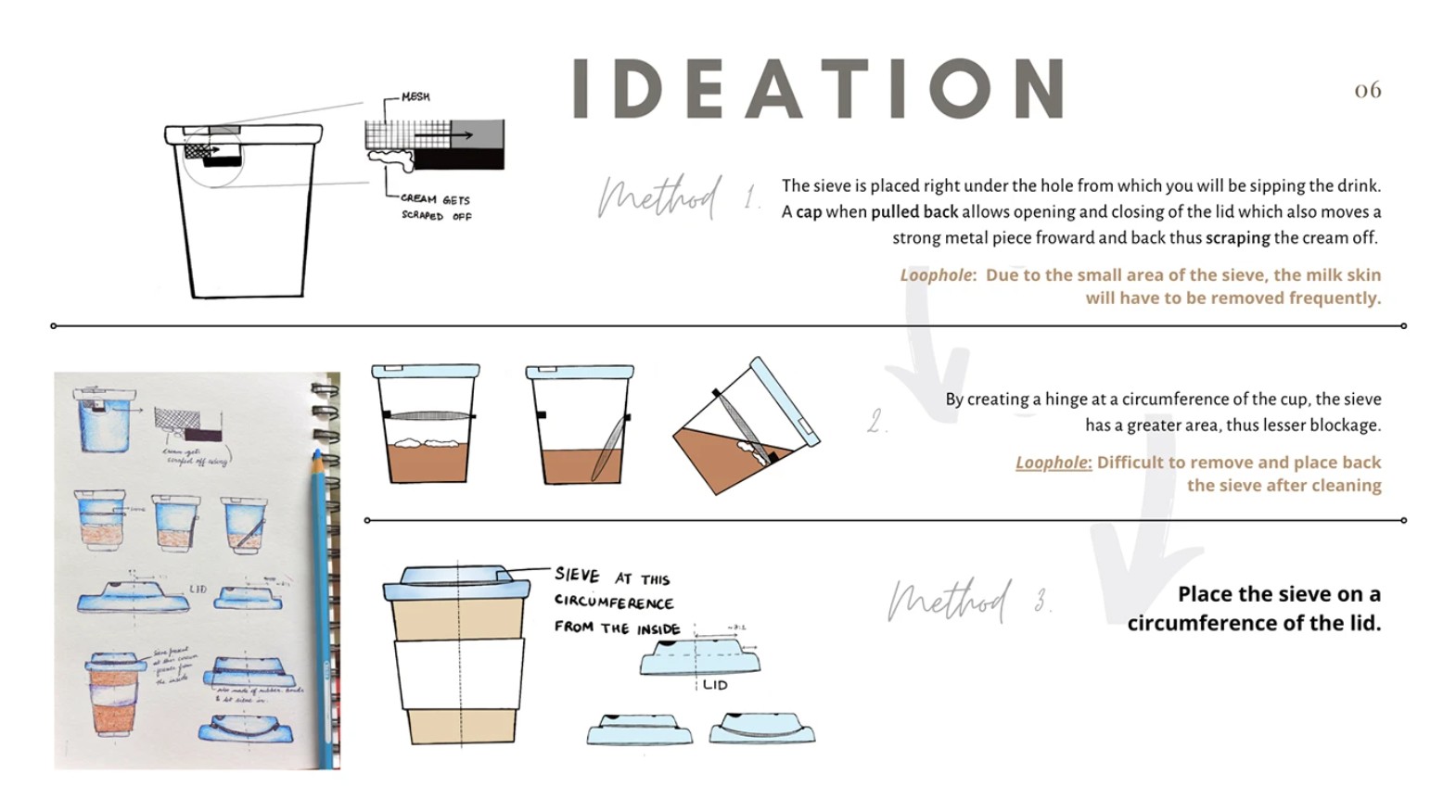
I sketched three mechanisms.
The sieve was the best option: fewer parts, no springs, easy to clean.
- 01ScrapeA sliding scraper that lifts the film off
- 02HingeA hinged flap that traps it against the lid
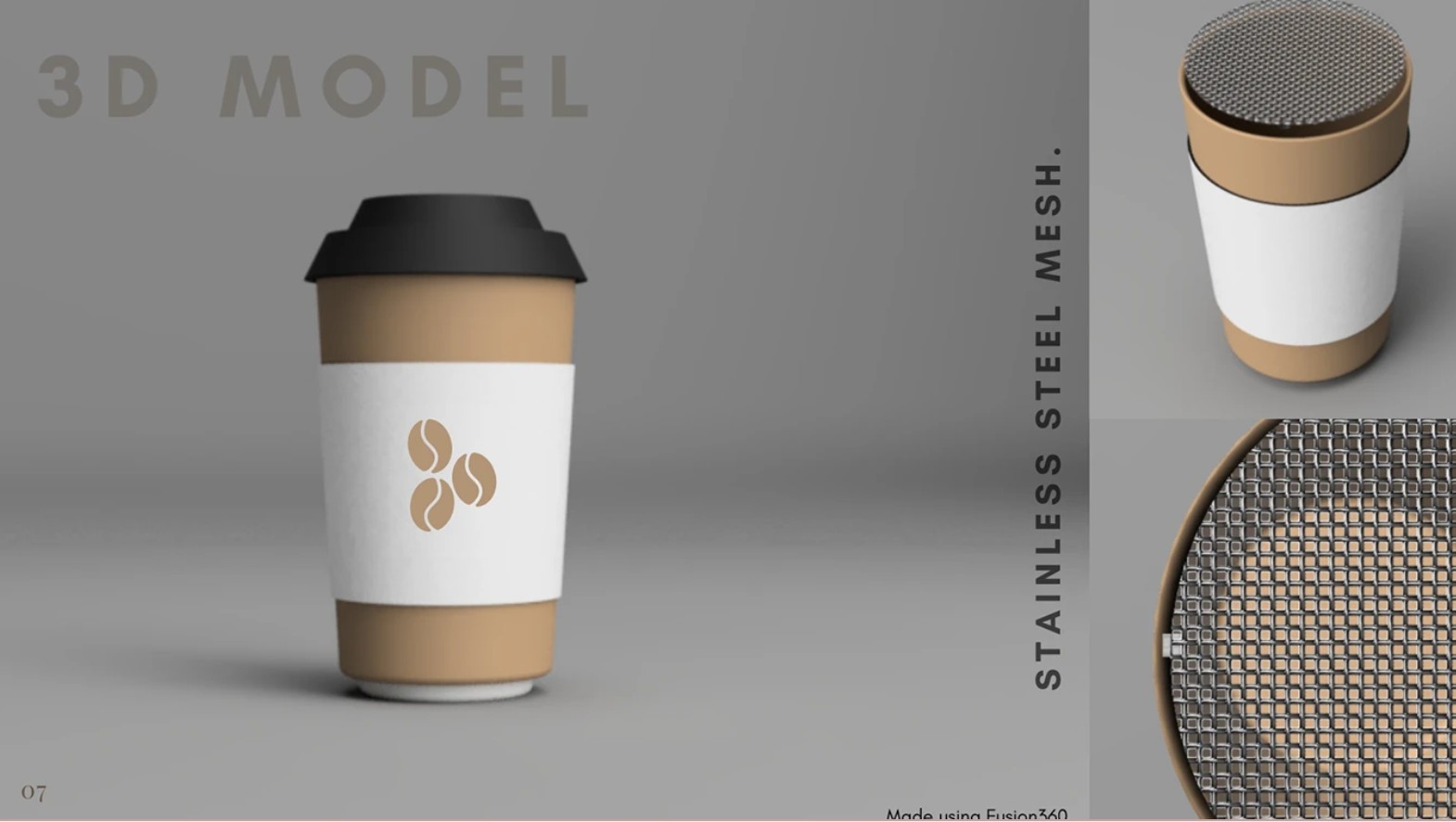
- 03SieveA stainless steel sieve that lets the liquid through and holds the film back
04 - RESULT
A cup with a snap-on mesh
Cup with a snap-on stainless steel mesh.
Industrial design
Project 02
Tumble & Learn
A gentle first bump for a brand-new crawler.
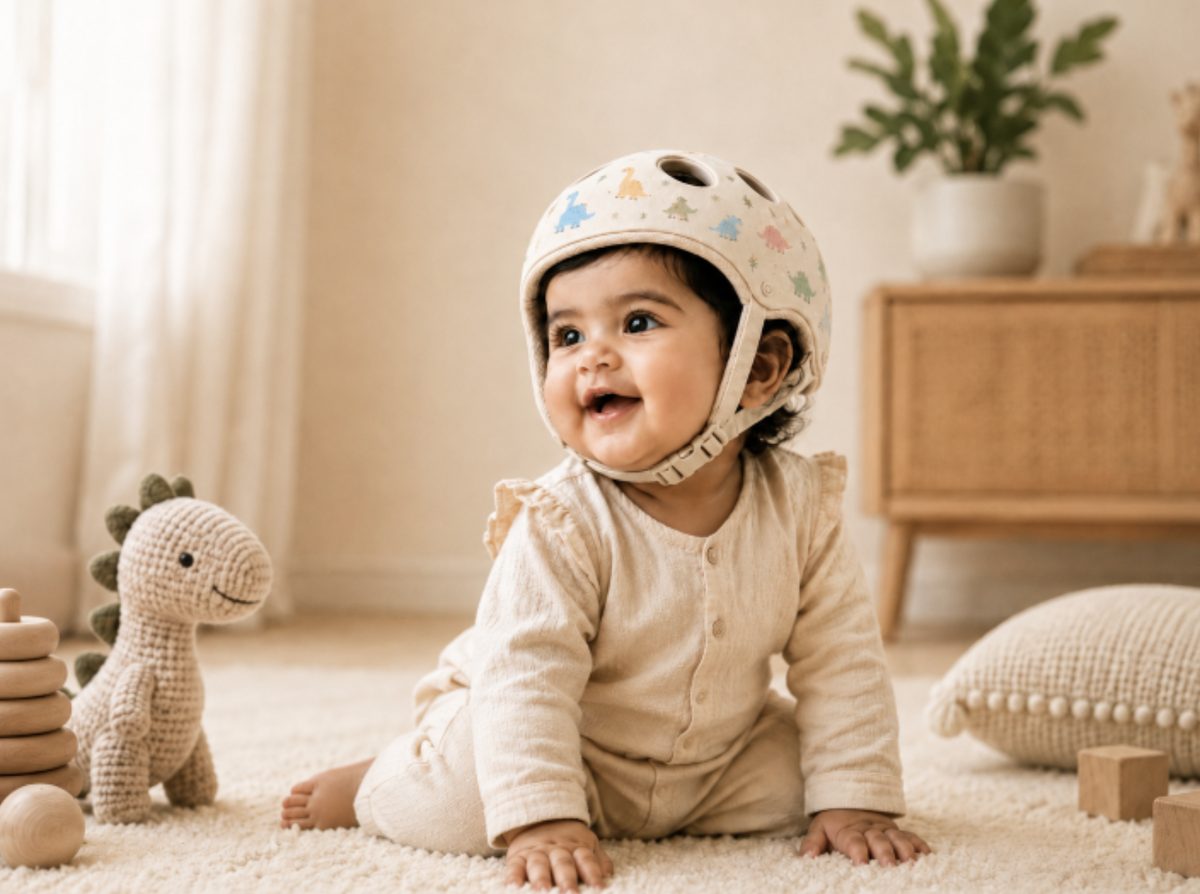
A baby helmet that swaps non-biodegradable styrofoam for biodegradable air cushions, cutting helmet weight by 40%.
DisciplineProduct - Sustainability - CMF
ToolsFusion 360 - Soft goods - Material research
01 - THE PROBLEM
The runway starts the day they crawl
The moment a baby pushes up onto their hands and knees, the floor becomes a runway, and every coffee-table corner becomes a problem. Some children also self-soothe by head-banging into furniture and floors.
Parents are left to choose between bubble-wrapping their living room and watching every second.
“The moment they start crawling, the floor becomes a runway.”
“Head-banging is how some children learn to self-soothe.”
02 - MARKET RESEARCH
PROTECTIVE. LIGHT.
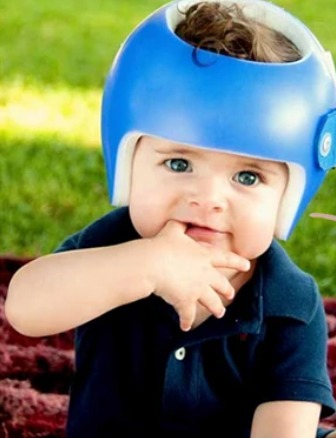
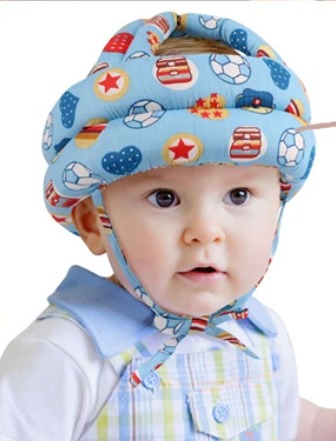
Existing baby helmets are either rigid plastic shells borrowed from cycling, or bulky bonnets stuffed with EPS foam. They’re hot, heavy, and ugly enough that most parents quietly give up on them.
The brief: design something a baby will actually wear, and a parent will actually put on.
Market scan: rigid plastic shells and un-sustainable bulky styrofoam bonnets.
03 - Design approach
Shredded jute, sandwiched
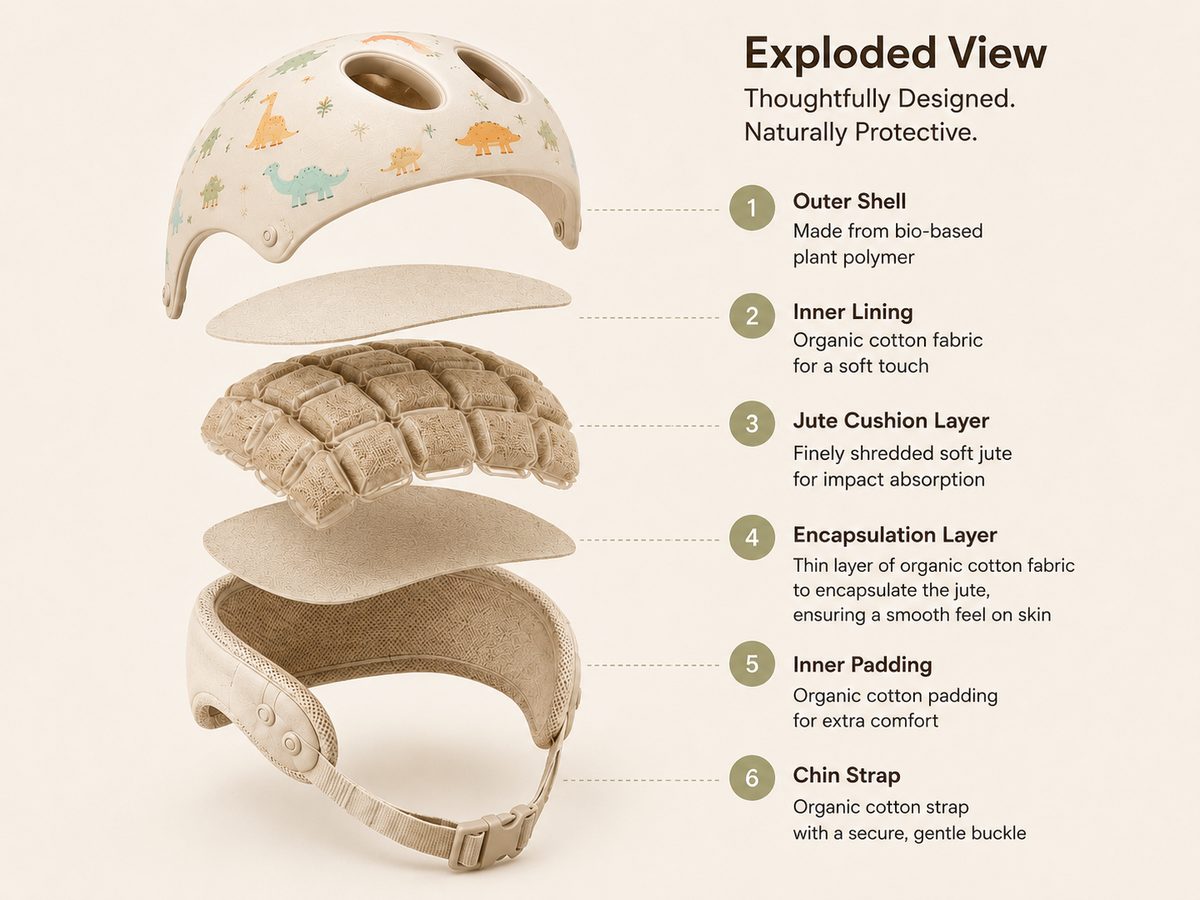
Instead of one solid block of EPS foam, I designed a central cushion layer of finely shredded jute- light, sustainable, and surprisingly good at absorbing impact, sandwiched between a bio-based plant polymer outer shell and an organic cotton inner lining.
The jute is encapsulated in a thin cotton layer so it stays soft against the skin and breathes through the shell vents.
40%Lighter than a regular helmet
Final Design
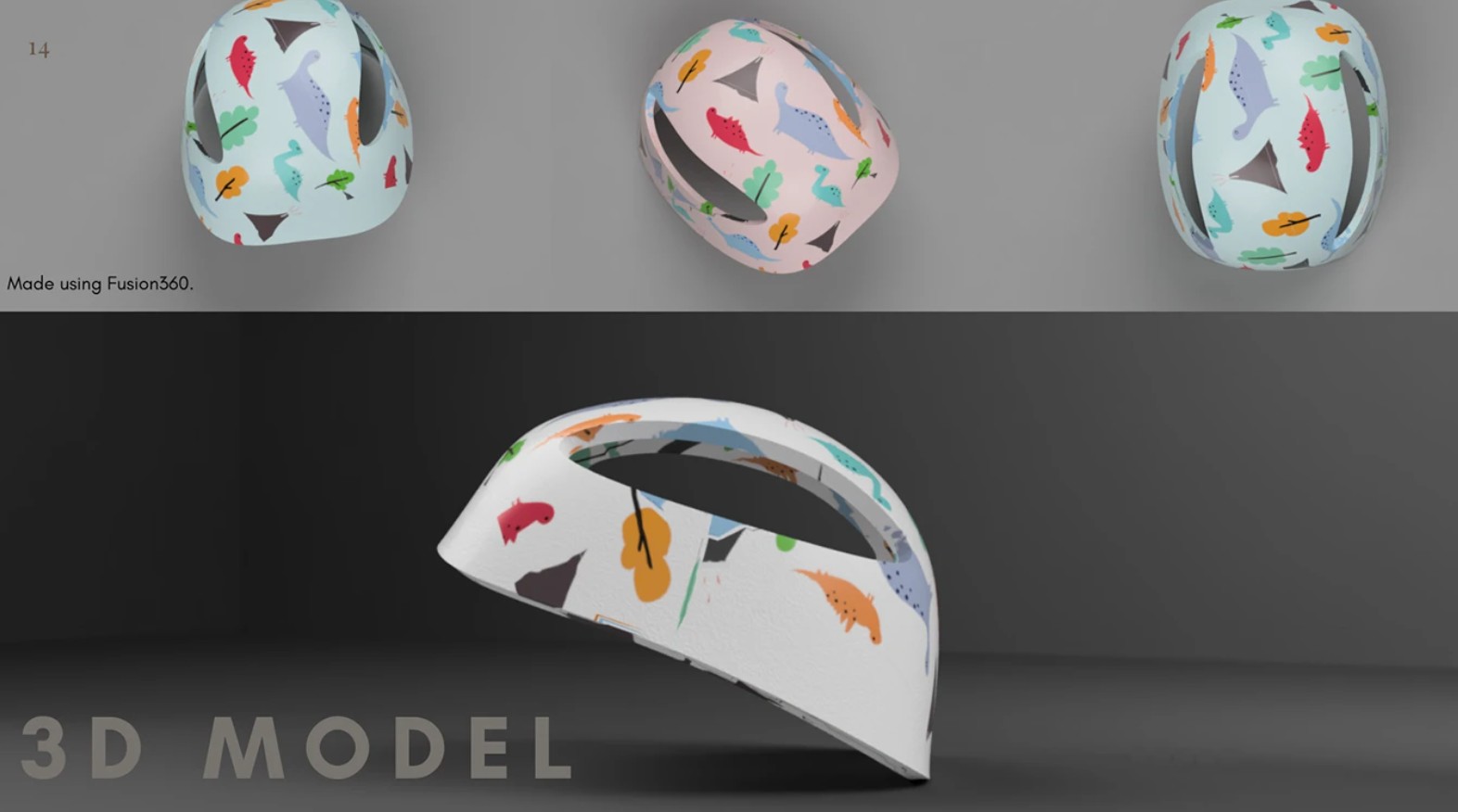
The final form is a soft shell in playful prints: dinosaurs, clouds, a tiny galaxy.
Industrial design
Project 03
Safe Tolls
A contact-free breath analyzer for the COVID era.
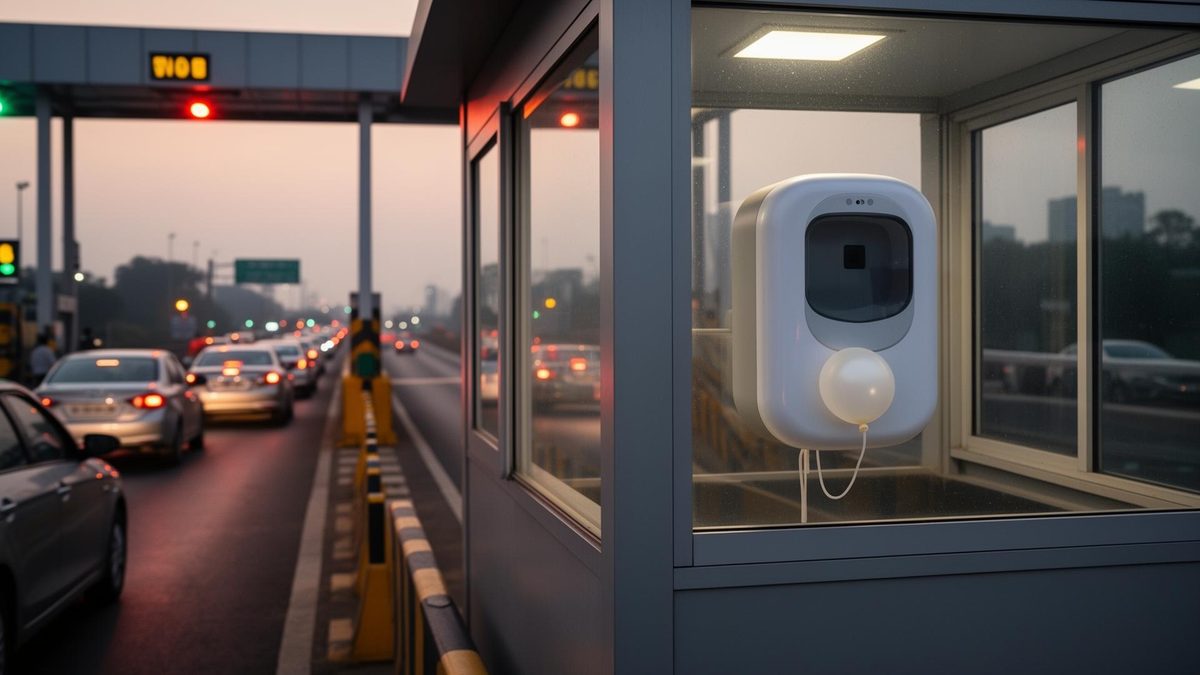
Drunk driving accounts for a startling share of the 6,871 accidents a year on the Old Mahabalipuram Road, one of the busiest highways in Chennai.
Safe Tolls turns the breath analyser into a contactless dispenser with a single-use breath pouch
DisciplineProduct - Mechanism - Public safety
ToolsMechanism design - chemistry - Sketching
01 - THE ROAD
OLD MAHABALIPURAM ROAD (OMR), CHENNAI
OMR Chennai is home to 480 IT companies and 132 hospitals, and it sees roughly 6,871 reported accidents every year. A disproportionate share of those involve alcohol.
The existing breathalyzer with mouthpiece used during police checks were completely halted during COVID due to its close-contact nature.
480IT companies
132Hospitals
6,871Accidents a year
02 - THE PROPOSAL
A contact-free test at every toll
Mandate an alcohol test at every toll plaza on OMR, but make it contact-free. No shared mouthpieces. No police officer in the driver’s breath path.
The user experience needed to feel less like a checkpoint and more like buying a vending-machine snack.
“The proposal: alcohol testing built into the toll-plaza ritual.”
03 - HOW IT WORKS
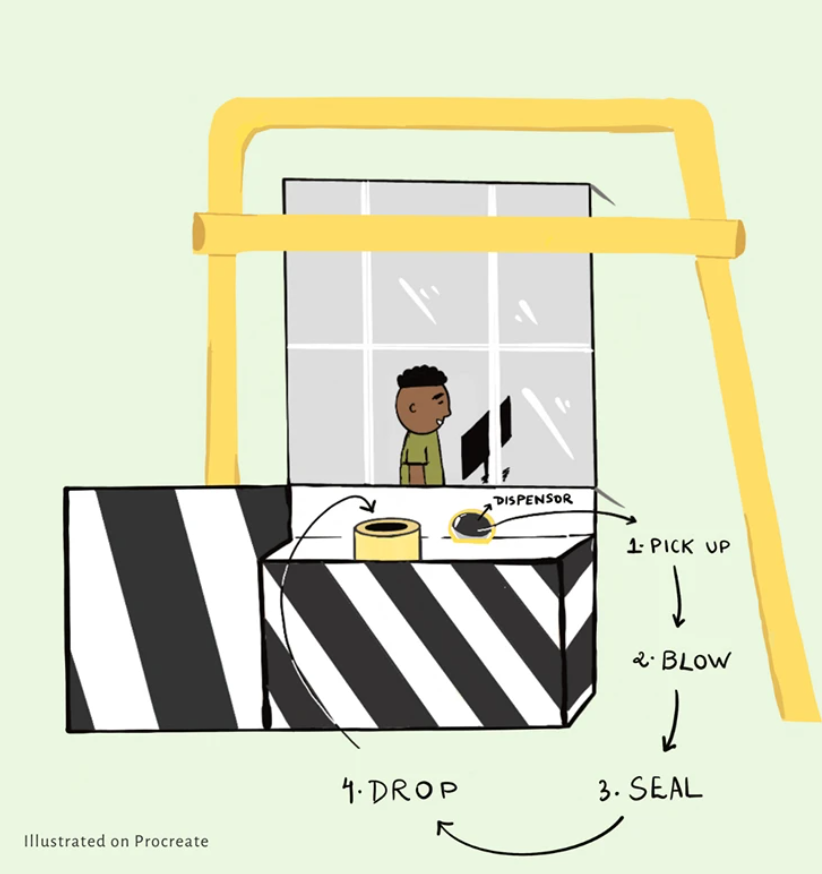
Pick up. Blow. Seal. Drop.
I designed a candy-style dispenser that hands the driver a sealed balloon. They blow into it, seal it, and drop it back through a chute.
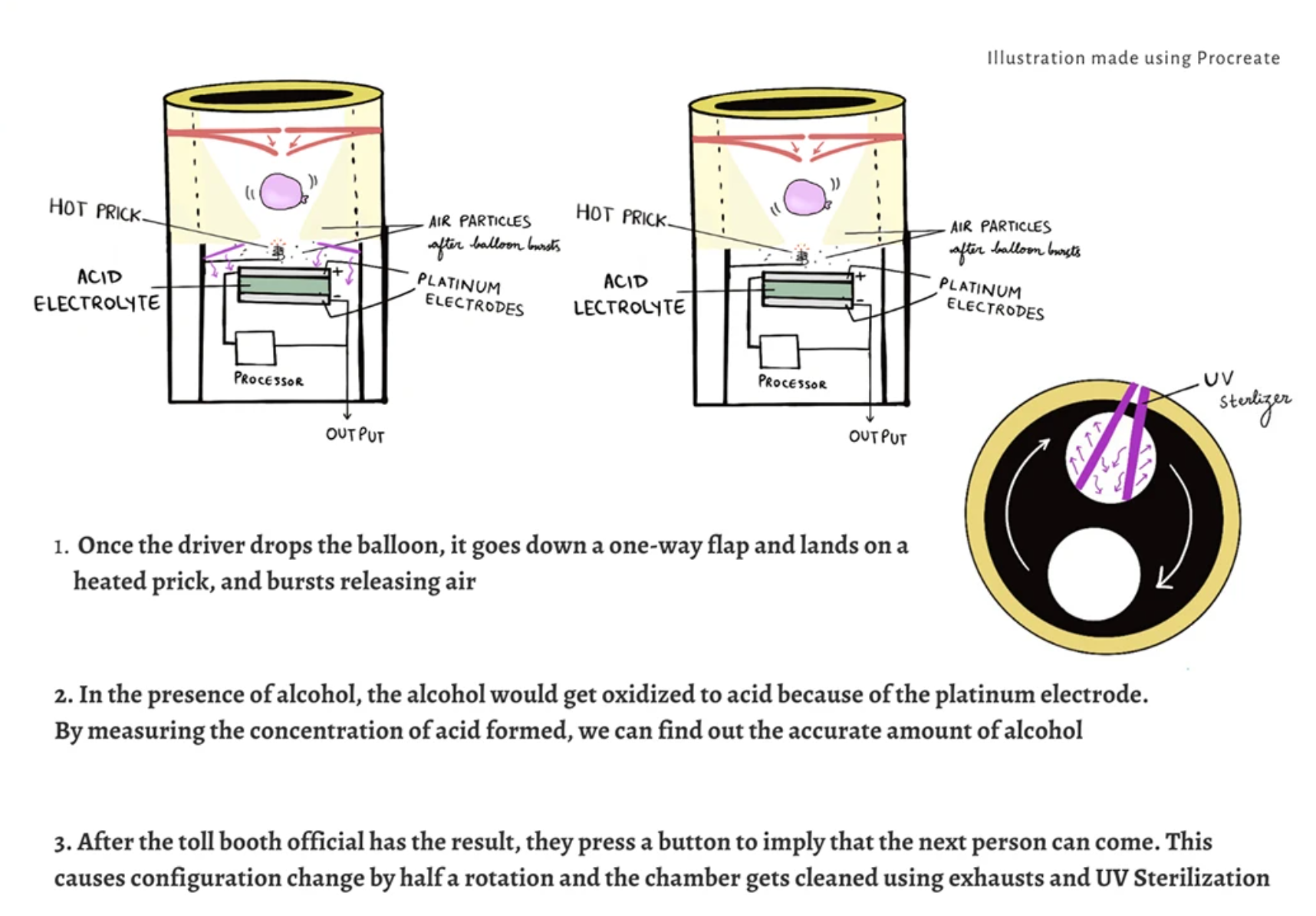
Inside, a hot prick pops the balloon over a platinum electrode bath; the change in current tells you how much ethanol the breath carried. A UV chamber sterilizes everything between cycles.
- 01Pick upTake a sealed balloon from the dispenser
- 02BlowBreathe into it, no mouthpiece shared
- 03SealClose the balloon
- 04DropReturn it through the chute
04 - OUTCOME
Contactless, and it fits the booth
The mechanism is fully contactless, single-use, and designed to fit into a standard toll-booth footprint.
“Safe Tolls, reducing accidents due to human error on OMR.”
Industrial design
Project 04
Xeyense
A pantry jar that knows what it’s holding.
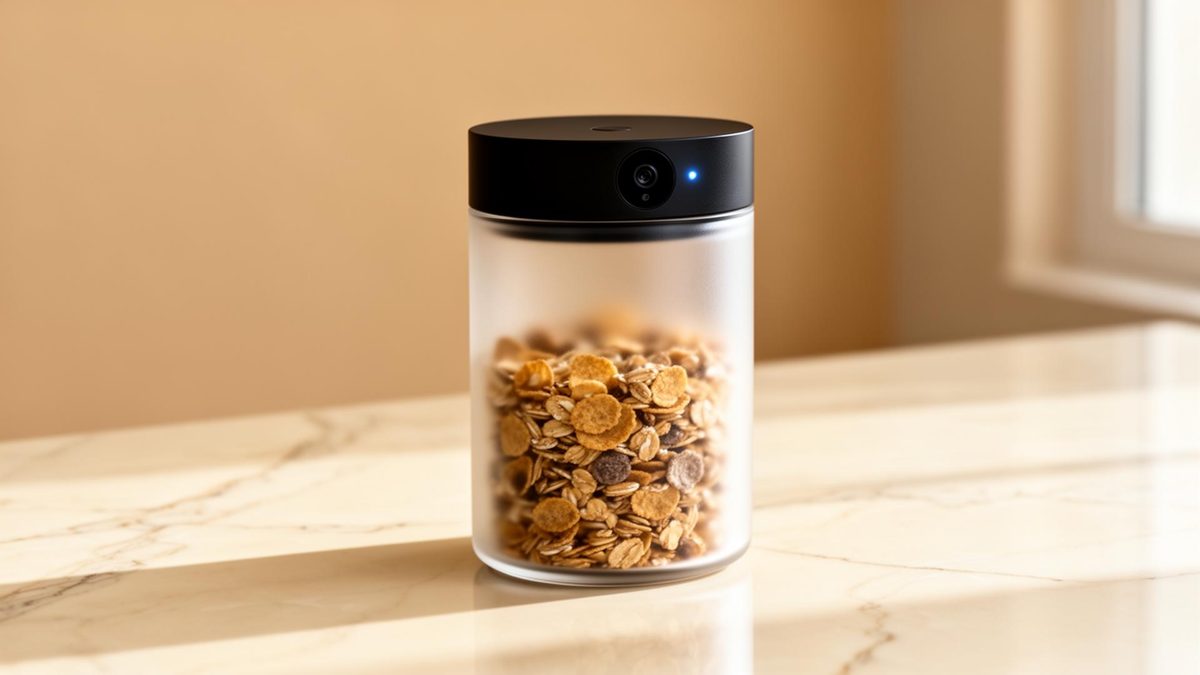
A smart container with a load cell at the base and a tiny camera in the lid. Computer vision identifies what you’ve poured in; a companion app keeps a running log of what you’ve consumed today.
DisciplineProduct - IoT - Computer vision
ToolsHardware - Embedded ML - App design
01 - THE IDEA
Track what you eat, without tracking what you eat
Calorie apps fail because logging is a chore. Xeyense moves the logging into the container itself.
A load cell at the base measures weight changes, a camera in the lid recognises the contents on refill, and a companion app quietly keeps the daily ledger for you.
- 01Load cellAt the base, measures weight changes
- 02CameraIn the lid, recognises the contents on refill
- 03Companion appKeeps the daily ledger for you
Experience
2024 - 2026
P&G - Whisper
Scientist, R&D
- Led 0-1 product development for P&G Whisper’s 1st locally designed and manufactured product (Disposable Period Underwear) in India
- Translated in-depth consumer research into a product built specifically for the needs of Indian women while navigating a supply-chain crisis
- Partnered with marketing/legal to shape claims and messaging the product could genuinely stand behind, turning consumer research into a GTM launch that resonated with users
2022 - 2024
P&G - Pampers
Product Supply Manager | Line Leader
- Led a 14-person Pampers manufacturing line team through a results turnaround.
- Built digital tools adopted across the manufacturing plant, including Pampers India’s 1st barcode verification system, which helped eliminate “wrong-product” complaints and a predictive maintenance dashboard reducing repeat breakdowns 20%.
2021

P&G - Oral-B Tech Hub
Product Supply Intern
- Built a PowerBI annual-planning dashboard with 90% forecast accuracy.
- Re-applied the dashboard to Oral-B’s Tech Hub team in China.
- Co-created the first end-to-end supply-chain tracking tool, hitting 100% adoption within 2 months.
$15M+
Revenue growth influenced at P&G
58%
Repeat-rate lift on Whisper Period Panty
100+
Consumer immersions led